
Personal Protective Equipment: Why High-Quality PPE Makes Sense for Employers
Why high-quality personal protective equipment improves safety, wearer acceptance, and work comfort – and why necessary PPE is fundamentally paid for by the employer.
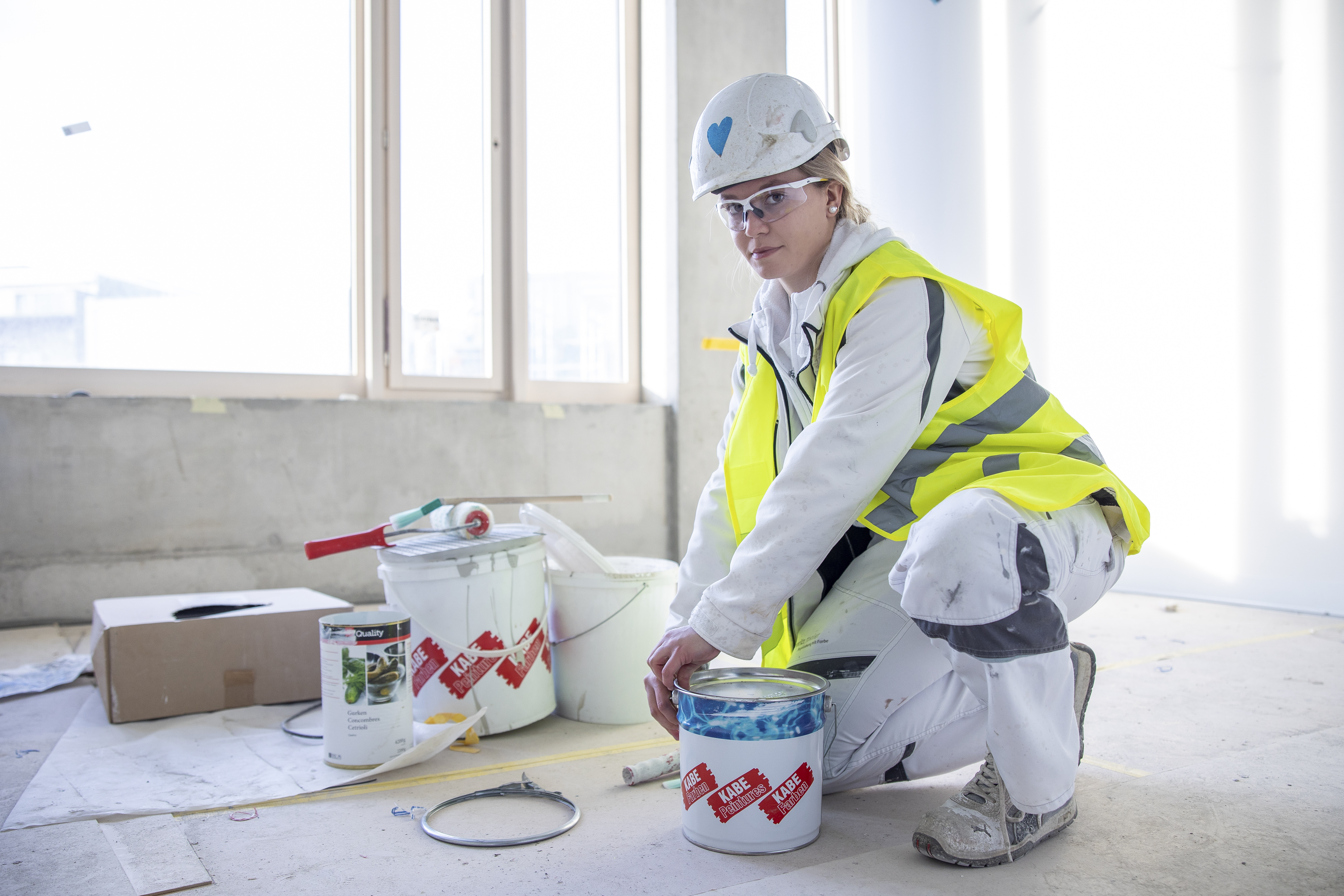
Personal Protective Equipment (PPE) is part of everyday work in many industrial and commercial enterprises. If technical or organizational measures cannot completely eliminate hazards, PPE reliably protects employees from injuries. However, when procuring, the focus is often solely on the purchase price – although ergonomic protection and high wearer acceptance are ultimately crucial for actual occupational safety.
Legal Basis: PPE is the Employer's Responsibility
Employers are responsible for protecting their employees in the workplace. Both in the European Union (Directive 89/656/EEC) and in Switzerland, the principle applies that PPE is only used when hazards cannot be sufficiently reduced by primary technical or organizational measures.
If PPE is required, it must be provided free of charge by the company. Legal obligations include:
- Cost assumption: The necessary protective equipment is provided and financed by the employer.
- Maintenance: Maintenance, repair, and necessary replacement are also the responsibility of the company.
- Ergonomics: The equipment must meet the conditions at the workplace and, after appropriate adjustment, fit the wearer correctly.
More Than Protective Effect: Why Fit and Wearing Comfort are Decisive
A pair of safety glasses can formally meet all technical requirements and yet be unsuitable in practice – for example, if they pinch, slip, or fog up. If the equipment is perceived as bothersome, it will be worn reluctantly, incorrectly, or, in the worst case, not at all.
High-quality PPE therefore considers essential quality criteria:
- Fit and Ergonomics: High wearing comfort without pressure points, even during long periods of use.
- Optical Quality: An unrestricted field of vision for precise work.
- Compatibility: Seamless interaction with other PPE such as hearing protection or respiratory protection.
- Durability: Robust materials for easy care and a long service life.
Increase Wearer Acceptance and Minimize Risks
A regulation prescribes the wearing of PPE, but it alone does not create an active safety culture. Poorly fitting protective equipment becomes a burden after a few hours, while well-adjusted, lightweight safety glasses are barely noticeable in everyday work.
Suva expressly recommends involving employees in the evaluation and selection of protective equipment. Those who can try on and test PPE in advance will then wear it more consistently throughout their working hours.
Individually Corrected Safety Glasses as a Key Element
This connection is particularly evident in eye protection. Employees with impaired vision need a solution at the workplace that combines corrected vision with certified protection. Normal everyday glasses do not offer sufficient protection against mechanical or chemical hazards.
Corrected safety glasses integrate vision correction directly into eye protection. Instead of looking for the cheapest makeshift solution, companies should consider how employees can perform their tasks safely and without fatigue.
Why Cost Sharing is the Wrong Signal
There is ongoing discussion about whether employees should financially contribute to higher-quality PPE. Since protective equipment is a basic prerequisite for safe work execution, it is an integral part of workplace equipment.
High wearing comfort for PPE is not a voluntary additional benefit or perk, but a basic condition for the protective effect. Just as employees are not expected to contribute to machine safety devices, the necessary PPE must be fully financed by the company.
Economic Efficiency: How Quality Pays Off in the Long Run
A mere comparison of acquisition costs falls short when procuring PPE. Seemingly inexpensive protective equipment quickly becomes expensive due to frequent replacement, lack of acceptance, or hindered work processes.
High-quality PPE offers clear economic advantages:
- Longer service life: High-quality workmanship reduces replacement frequency.
- Accident prevention: Avoiding downtime far exceeds the price difference of the acquisition.
- Appreciation: First-class equipment signals to employees that their health is a top priority.
Employee Involvement in Selection
Since face shapes and physical conditions are individual, there is no universal solution for PPE. For safety glasses, nose pads, temple length, weight, and the field of vision determine the perfect fit. Expert advice and trial options ensure that the chosen solution is reliably used in everyday work.
Conclusion: Investment in Safety and Performance
Ergonomic and high-quality PPE not only meets standards but also increases wearer acceptance and sustainably protects health. Those who invest in perfectly fitting protective equipment take responsibility and ensure the long-term performance of their employees.